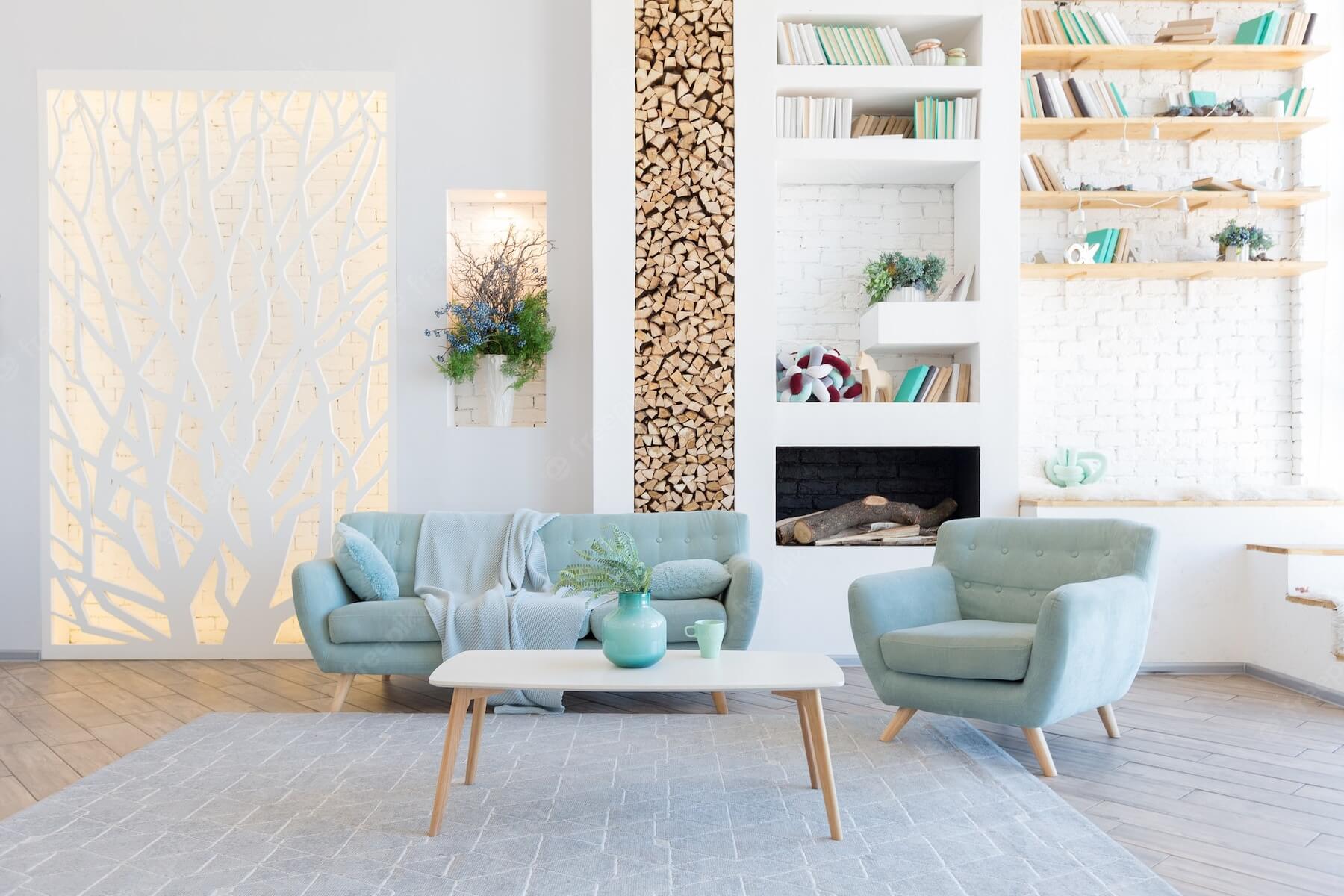


Design is more than just aesthetics—it’s a way of solving problems, communicating ideas, and enhancing experiences. To understand the background of design, we need to explore how it evolved from basic visual communication to a complex, multi-disciplinary field that influences every aspect of our lives. This article will delve into the origins, key movements, and modern-day significance of design to offer a richer perspective on its role in our world.
1. The Origins of Design
- Summary: Design as we know it has roots in ancient civilizations, where early forms of art and architecture were created not only for function but also for aesthetic appeal. From Egyptian hieroglyphics to Greek architecture, early design was intertwined with culture and craftsmanship.
- Why It Matters: Understanding these origins helps us see that design has always been about more than decoration—it’s about function, symbolism, and communication.
2. The Industrial Revolution: A Turning Point
- Summary: The Industrial Revolution in the 18th and 19th centuries marked a major shift in design. Mass production led to new design challenges, as goods needed to be both functional and visually appealing to attract customers in a competitive market.
- Impact: This era saw the rise of industrial design and introduced new materials and techniques that allowed for faster production and greater accessibility. Designers were called to create products that balanced utility with aesthetic appeal.
3. The Birth of Graphic Design
- Summary: Graphic design as a distinct discipline emerged in the late 19th and early 20th centuries. Advances in printing technology made it possible to create posters, advertisements, and packaging on a large scale, leading to the rise of advertising and brand identity.
- Key Figures: Designers like William Morris and the Bauhaus movement laid the groundwork for modern graphic design by emphasizing simplicity, functionality, and typography.
4. The Bauhaus and Modernist Movements
- Summary: The Bauhaus school, founded in Germany in 1919, played a significant role in shaping modern design principles. Bauhaus and modernist design rejected ornate styles in favor of simplicity, function, and the idea that “form follows function.”
- Legacy: These movements emphasized minimalism, clean lines, and functional aesthetics, principles that continue to influence design today, especially in UI/UX and product design.
5. The Rise of Digital Design
- Summary: The invention of computers and the internet transformed design in the late 20th century. Designers began using digital tools to create, edit, and distribute visual content, leading to new fields like web design, digital illustration, and user interface (UI) design.
- Impact: Digital design revolutionized the way we communicate visually, making design more accessible and versatile. Websites, apps, and digital media became new platforms for creativity and user interaction.
6. UX Design and the Focus on User Experience
- Summary: The concept of User Experience (UX) design became prominent with the rise of digital interfaces. Designers began focusing on how users interact with products, websites, and apps, emphasizing usability, accessibility, and emotional engagement.
- Why It Matters: UX design is a response to the need for intuitive and enjoyable user interactions. It highlights the importance of empathy and understanding user needs in the design process.
7. Sustainable and Ethical Design
- Summary: In recent years, there’s been a growing focus on sustainability and ethical design. Designers are increasingly considering environmental impact, waste reduction, and social responsibility in their work.
- Impact: Sustainable design emphasizes long-lasting, eco-friendly materials and ethical practices. This movement reflects a cultural shift towards conscious consumerism and corporate responsibility.
8. The Influence of AI and Automation
- Summary: Artificial intelligence and automation are the latest forces reshaping design. AI can generate logos, assist with layout, and even analyze user behavior to inform design decisions, making the creative process faster and more data-driven.
- Why It Matters: AI and machine learning allow designers to focus on creative problem-solving while leaving repetitive tasks to technology. However, it also raises questions about the role of human creativity in an automated world.
9. Design Thinking as a Problem-Solving Methodology
- Summary: Design thinking is a human-centered approach that emphasizes empathy, ideation, and prototyping to solve complex problems. This methodology is now used beyond traditional design fields, in areas like business, healthcare, and education.
- Significance: Design thinking has elevated the role of designers as problem-solvers and strategists, not just creators of visual elements. It reinforces the idea that design can be applied to improve any system or process.
10. The Future of Design: Adaptive and Inclusive
- Summary: The future of design is moving towards inclusivity and adaptability. Designers are focusing on creating accessible experiences for people of all abilities and adaptable designs that cater to diverse user needs and environments.
- What’s Next: Future trends include voice and gesture interfaces, augmented reality, and adaptive designs that respond to user preferences, enhancing accessibility and personalization.
Conclusion
Design has come a long way from its early days of simple decoration and utility. It has evolved into a multifaceted discipline that shapes our daily experiences, solves complex problems, and reflects our values as a society. From the Bauhaus movement to the age of AI, design continues to adapt and grow, and its impact on business, technology, and culture is more profound than ever. At GrowthLand Digital Agency, we recognize the value of design’s rich background and its potential to drive innovation and success for our clients.